

Development Makes the Difference
For the past twenty years, I have worked in nearly every corner of nonfiction, from editorial support to narrative training to ghostwriting.
I used to believe my job was to find the right structure, the right process, the right template.
But when I stepped back to name what it is the whole industry was supposedly pointing to—the core components that make a nonfiction book good—I saw a gap:
Knowing what a book could be and developing it into that potential are two very different things.
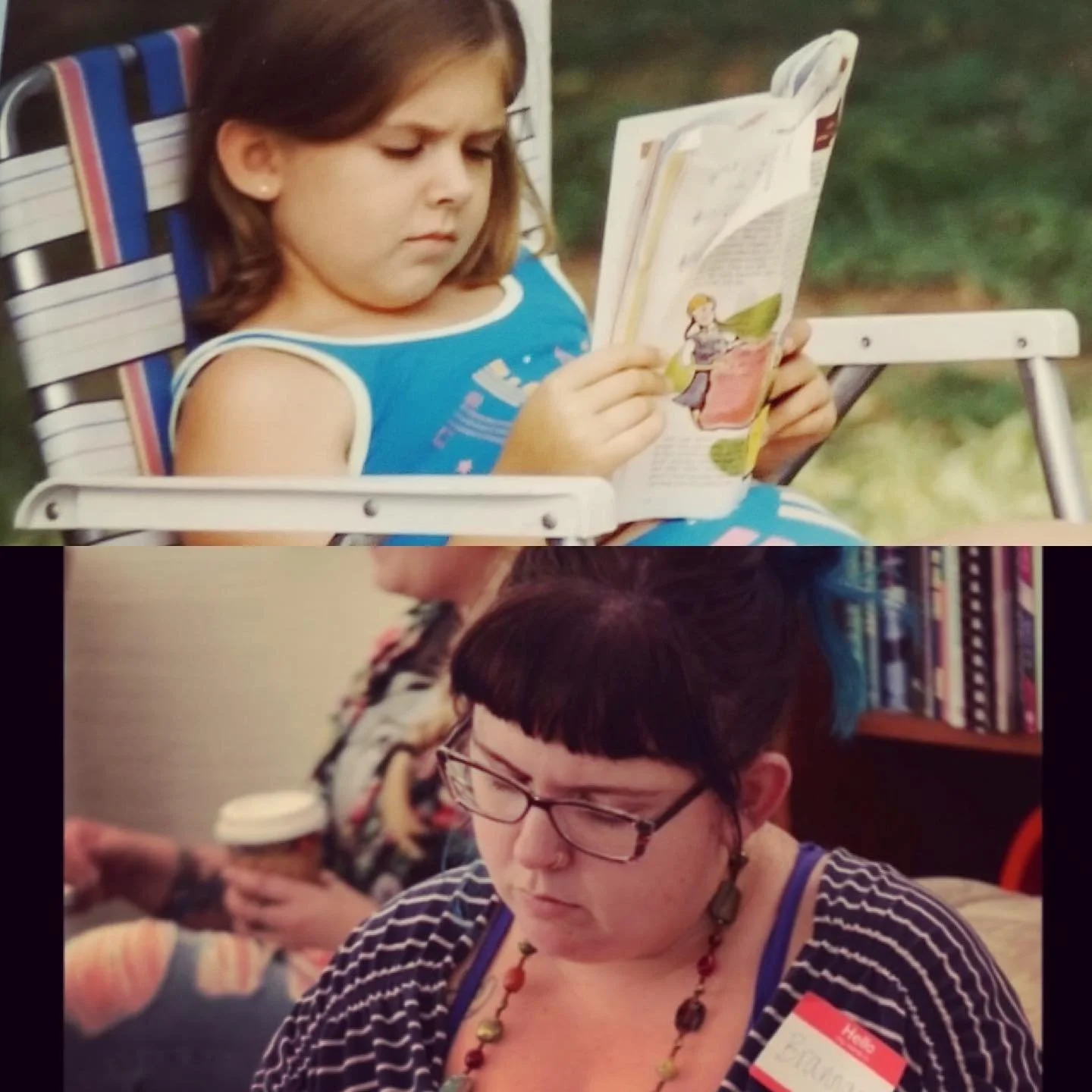
Authors, Readers & Books
Most of the industry treats the book as a finished product rather than a formative process.
It’s a product-first model that often feels misaligned for purpose-driven writers.
Even when we agree on what makes a book effective, the systems used to produce it can feel disorienting.
That’s because they were built around production metrics and sales volume—not what the authors or readers actually need.
Effective structure, author intentions, and the reader experience are secondary goals for an industrial approach.

Focus on Impact
Everything from the genres we follow to the timelines we’re expected to keep to the types of editing that exist all serve that version of publishing—one that hasn’t meaningfully changed in a hundred years.
So, I stopped following their approach.
I gathered and distilled everything I learned into a genre framework designed to serve the author and reader rather than the industry.
I called it the Clarity Spectrum first, then the Visibility Spectrum, and I started using it to reset mine and my author’s expectations to match the project they actually wanted to bring to life.
I began designing my service containers around the author and the impact they wanted to make. Containers that stretch into new possibilities and outcomes, leaving the industry’s perspective back in the industrial age, where it belongs.

Shape Your Ideas
My belief in the process of writing is so strong that I no longer ghostwrite, because I refuse to take that transformation away from my authors. And my experience in publishing says that it’s secondary to the whole experience—you can publish your book in whatever way makes sense for you.
That leaves us with one real challenge: how to bring your book (and yourself as an author) to life without diluting the process or letting it consume you.
The Visibility Spectrum of unique-to-you book types—paired with a comprehensive, customizable development process—is meant to do just that.
Together, we’ll start with the three core components of a truly impactful book: the author’s vision, the reader’s experience, and the structure that will bring the two of them together. And then we’ll work with your brain, your life, and your strengths to make it happen.
Because books do change us.
But it’s development that makes the difference.