
Know Your Book
Get clear on the idea you’re here to make visible, and make sure your people will see it.
The Visibility Spectrum shows you how.
Magnetic Solution
You’ve got something that works—and this book proves it.
You don't need to overwhelm readers with high-level theories or an in-depth backstory.
A Magnetic Solution offers something usable for a reader right here and now: a method, a tool, a strategy, or a shift that helps someone move from where they are to where they'd like to be.
And when they get those results? They’re going to want to know more about you and the work you offer beyond the book.
A Magnetic Solution is a practical gift—both to the people it helps and to the future of your work.
You’ll recognize a Red book by…
• A clear framework (steps, acronyms, a repeatable method, or repeated catchphrases)
• Overt takeaways and a “let’s do this” tone
• Action prompts like checklists and exercises
• One real problem solved well
• Proof that the solution works via examples, real-life anecdotes, and outcomes
Often written by a systems-minded, creative thinker who’s seen the same struggle a hundred times and can’t help but organize the chaos into steps.
Examples of Magnetic Solution Type Books



If you want to attract new audiences through clear methods and real results, you might be writing a Magnetic Solution.
Find out exactly what your book is, needs, and how to get there in a Mini Session.
Magnetic Perspective
Ever hear something reframed so clearly it unlocks a door you didn’t even know was closed?
A Magnetic Perspective book tilts the lens just enough to shift how your reader sees a problem, a process, or even themselves.
It starts with something they think they already understand, then helps them see it in a way they’ve never considered before.
These books don’t spell out every last detail or force a complete life transformation.
They create just enough space for readers to feel like they’ve discovered something powerful on their own, and a pathway toward change if they’re up for following it.
You’ll recognize an Orange book by…
• Familiar concepts reframed from a fresh angle
• Metaphors and insight more than step-by-step instruction
• Inviting language that encourages reflection
• A tone that feels thoughtful, not prescriptive
• A sense of “aha” clarity rather than tactical solutions
Often written by someone deeply invested in shifting how people see the world, not just telling them what to do.
Examples of Magnetic Perspective Type Books
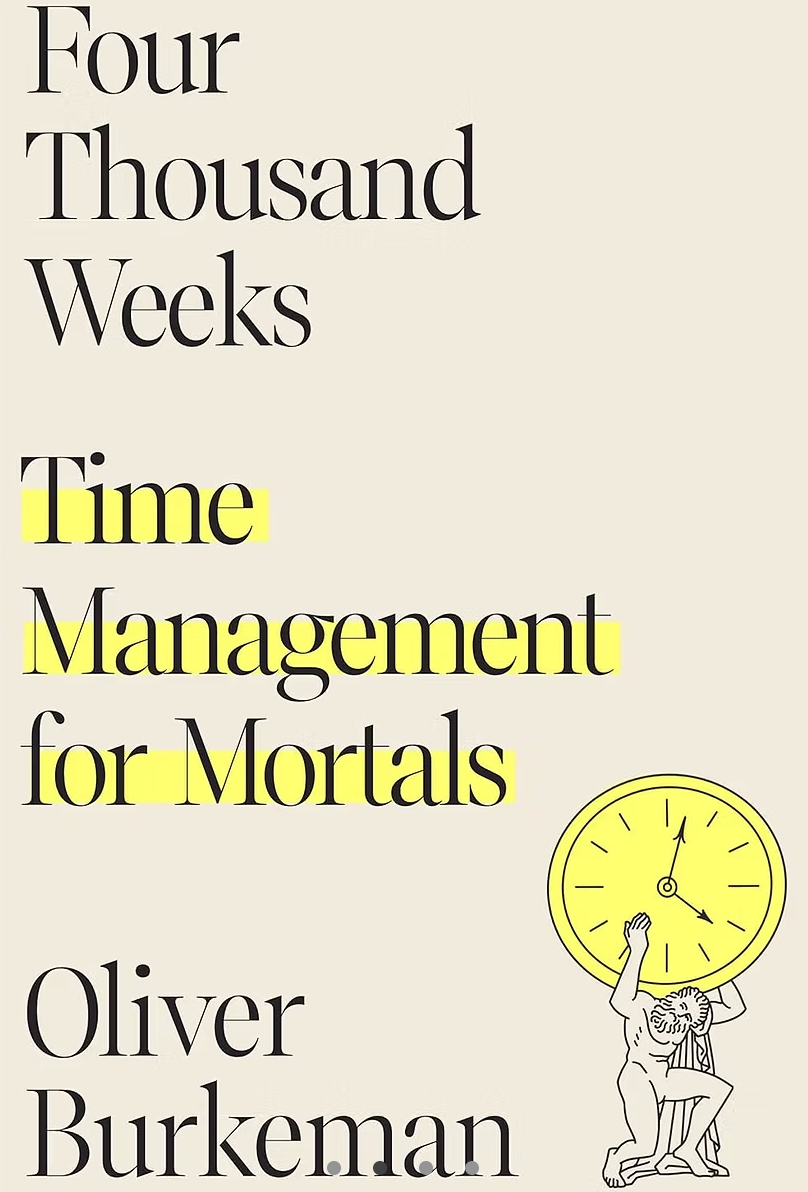

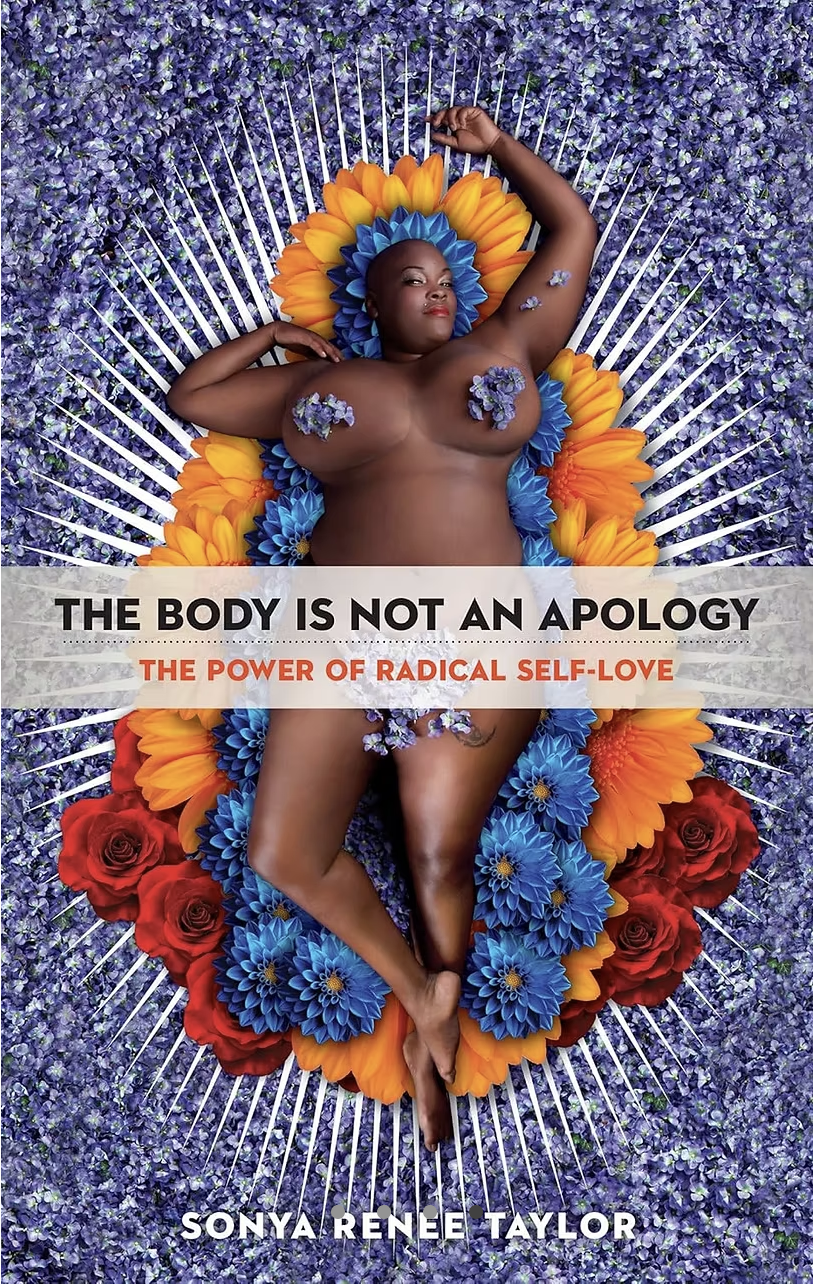
If you want to reach new readers by offering a fresh take on a familiar challenge, you might be writing a Magnetic Perspective.
Find out exactly what your book is, needs, and how to get there in a Mini Session.
Magnetic Connection
Our deepest human instincts are to feel seen and connected, and this book holds both with care.
Tell your story in a way that makes readers feel like you’re telling theirs, and genuine trust begins to build.
For this book, you don’t need to instruct them explicitly in order to help them along their journey, and you definitely don’t need to lecture. Your honest, lived experience is more than enough to draw them in.
Your story itself becomes the reason readers keep listening, keep connecting, and ultimately keep moving forward with you.
When they close your book feeling understood—and like they understand you too—they won’t want to let go.
You’ll recognize a Yellow book by…
• Emotional honesty that doesn’t shy away from complexity
• Reflective storytelling rather than step-by-step instruction
• Vulnerability that draws readers in closer
• Welcomed mirrors of the reader’s own experiences
• A tone that prioritizes connection over solutions
Often written by someone known for authenticity, empathy, and a willingness to share openly—and not just in the polished moments, but the unfinished ones too.
Examples of Magnetic Connection Type Books





If you want to build trust with new audiences through resonant lived experiences, you might be writing a Magnetic Connection.
Find out exactly what your book is, needs, and how to get there in a Mini Session.
Magnetic Alignment
People who already know your work want to go deeper.
You already know your people. You’ve walked beside them, worked with them, and witnessed their growth. A Magnetic Alignment book grounds that relationship, making it solid and enduring, as a resource your people can return to whenever they need it most.
This type of book meets readers exactly where they are—and they aren’t on step one. It translates the work into tangible tools and grounded wisdom rather than simplifying it for beginners.
You’re not trying to reach strangers here. You’re strengthening trust with the people who are already with you and offering them a clearer path forward.
That also means you don’t need to change your voice or posture. Your audience is already looking for you as you are, and when you show up for them in that way, they feel connected, capable, supported, and in sync with their next steps.
You’ll recognize a Green book by…
• Tangible, real-life examples that mirror current challenges
• Tools and systems that feel both actionable and compassionate
• Language that sounds like a conversation between trusted peers
• A steady, grounded tone rather than urgency or hype
Often written by someone deeply engaged with their community through workshops, newsletters, or ongoing support.
Examples of Magnetic Alignment Type Books
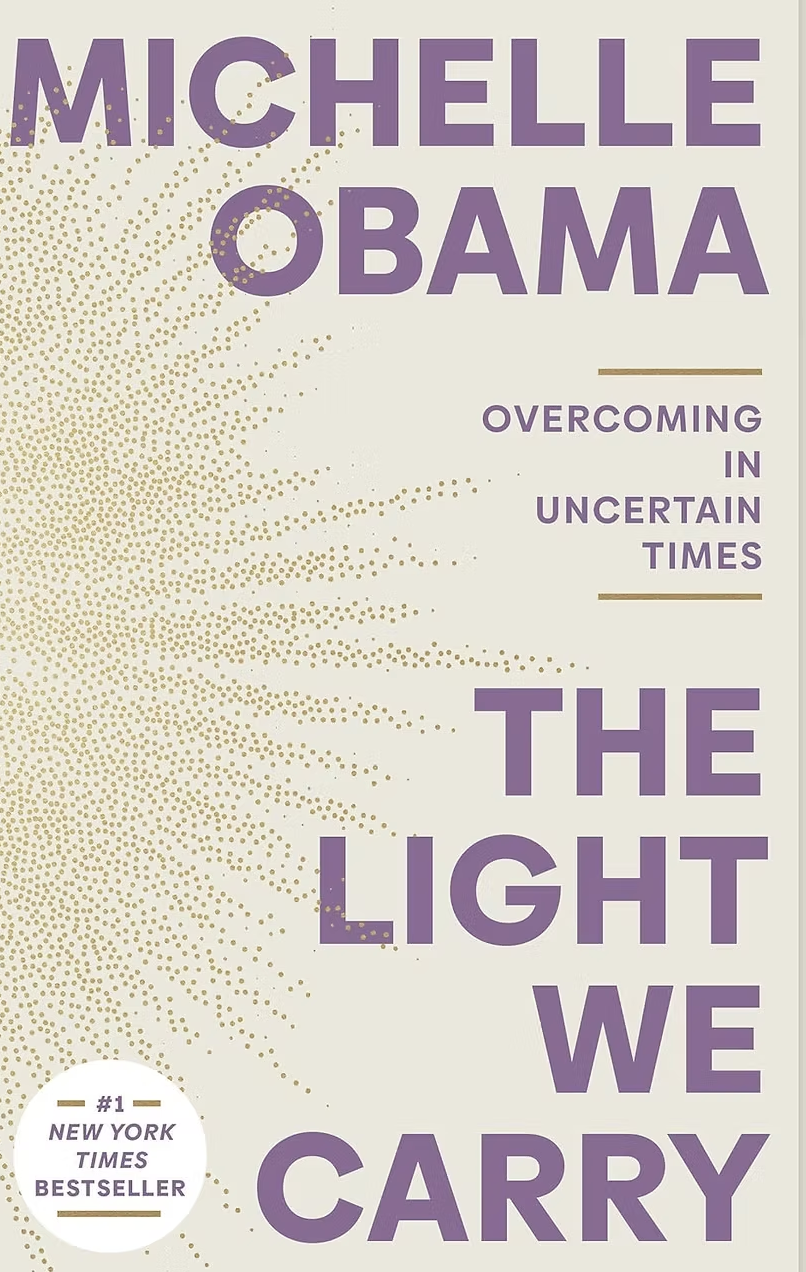

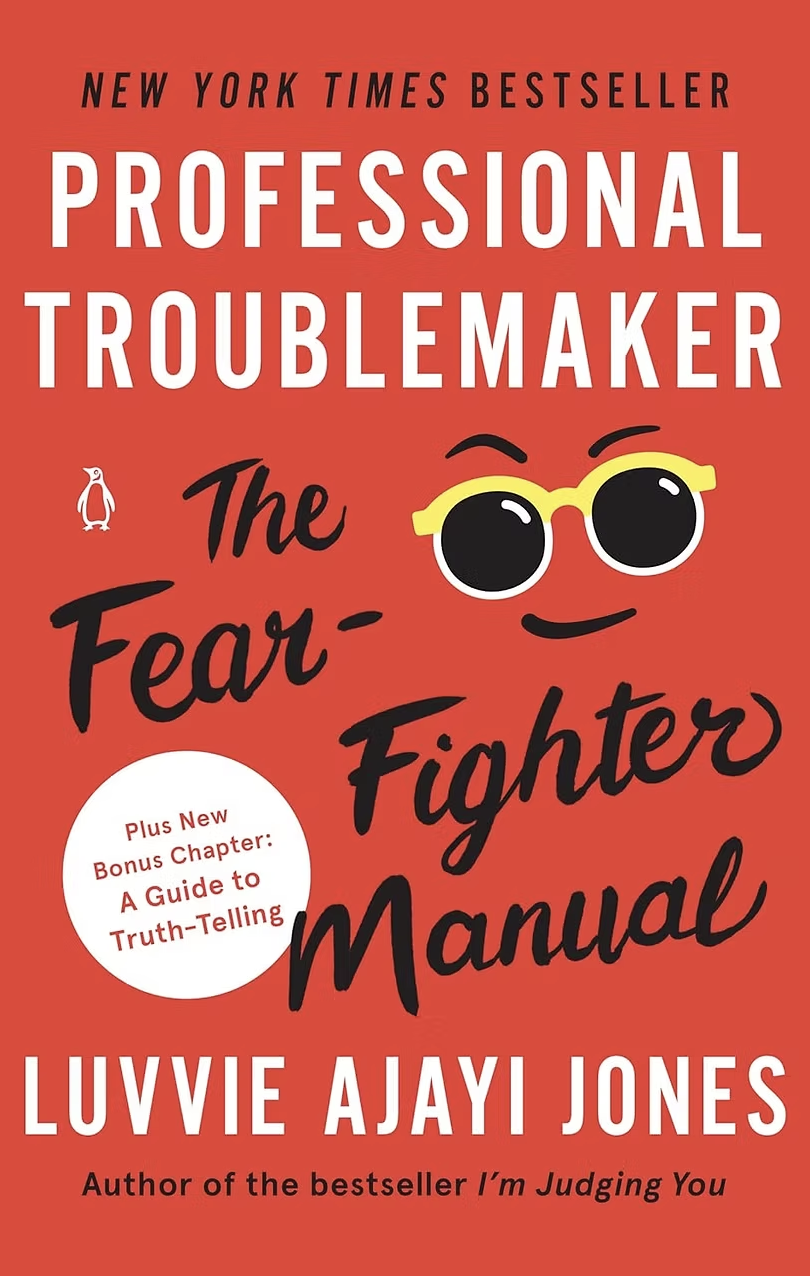
If you want to deepen your relationship with an existing audience through practical means, you might be writing a Magnetic Alignment.
Find out exactly what your book is, needs, and how to get there in a Mini Session.
Perspective Alignment
Invite your reader to see the world with fresh eyes.
These books reframe something we think we already know.
They unfold with care, guiding readers to notice new truths about themselves, their communities, and the systems they move through.
When you’re writing a Perspective Alignment book, you aren’t pushing an agenda. You’re holding space for nuance, tension, and discovery.
Your insight becomes a lens that changes the way people see, but only if they want to put on the glasses.
The readers who do embrace the shift this book creates are rewarded with the kind of clarity that builds over time.
Long after they close the book, your words will continue to echo, expanding their understanding and deepening their sense of what’s possible.
You’ll recognize a Teal book by…
• A thoughtful exploration of questions without forcing direct answers
• Attention to nuance, context, and the interconnectedness of ideas
• A tone that feels spacious, layered, and reflective
• Language that invites inquiry rather than instruction
• Insights that unfold gradually
Often written by someone who values inquiry and complexity, trusting readers to make their own meaning.
Examples of Perspective Alignment Type Books



If you want to guide your audience into a deeper
perspective on something they already care about,
you might be writing a Perspective Alignment.
Find out exactly what your book is, needs, and how to get there in a Mini Session.
Aligned Connection
This book is a love letter to your people.
When this book opens a door into your lived experience, you create a space where the right readers feel a sense of belonging.
The stories you choose aren’t arbitary. They are intended to help someone feel held, seen, and part of something larger than themselves,
Through honest reflection and immersive storytelling, an Aligned Connection builds a bridge between your own personal truth and the shared human experience.
Your willingness to show up fully, from within your reality, without pushing a universal message or obvious next steps is the source of this book’s resonance. By staying rooted in what is true for you, you create an emotional thread that readers can follow back to themselves and ultimately toward each other.
Over time, this type of book becomes a gathering place, where individual stories weave into a larger sense of meaning and builds a kinship that lingers long after the final page.
You’ll recognize a Blue book by…
• Honest, vulnerable storytelling that’s grounded in personal lived experience
• Gentle reflections that make empathy felt
• An intimate tone that feels steady and reassuring
• A focus on belonging more than expertise or authority
• Emotional resonance that connects individual stories to a larger whole
Often written by someone deeply rooted in community, committed to connection—even in the face of uncertainty.
Examples of Aligned Connection Type Books
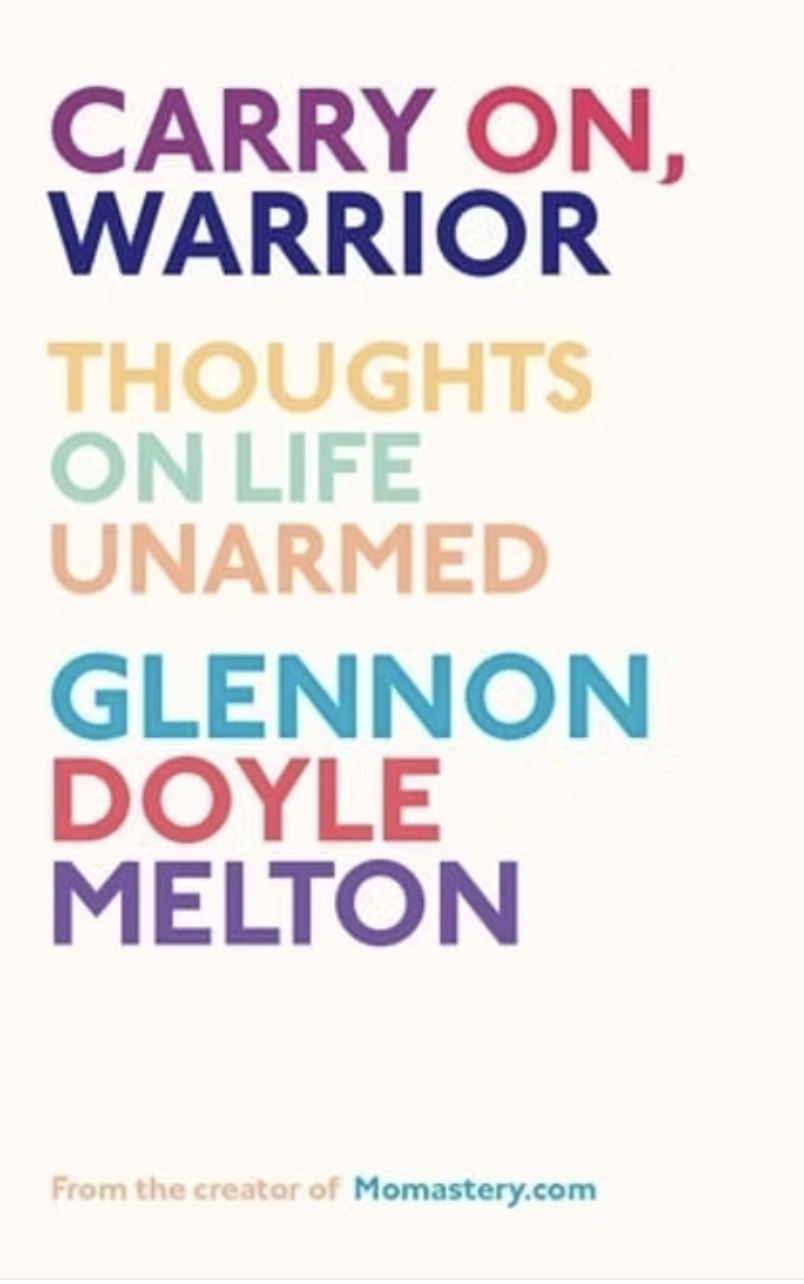

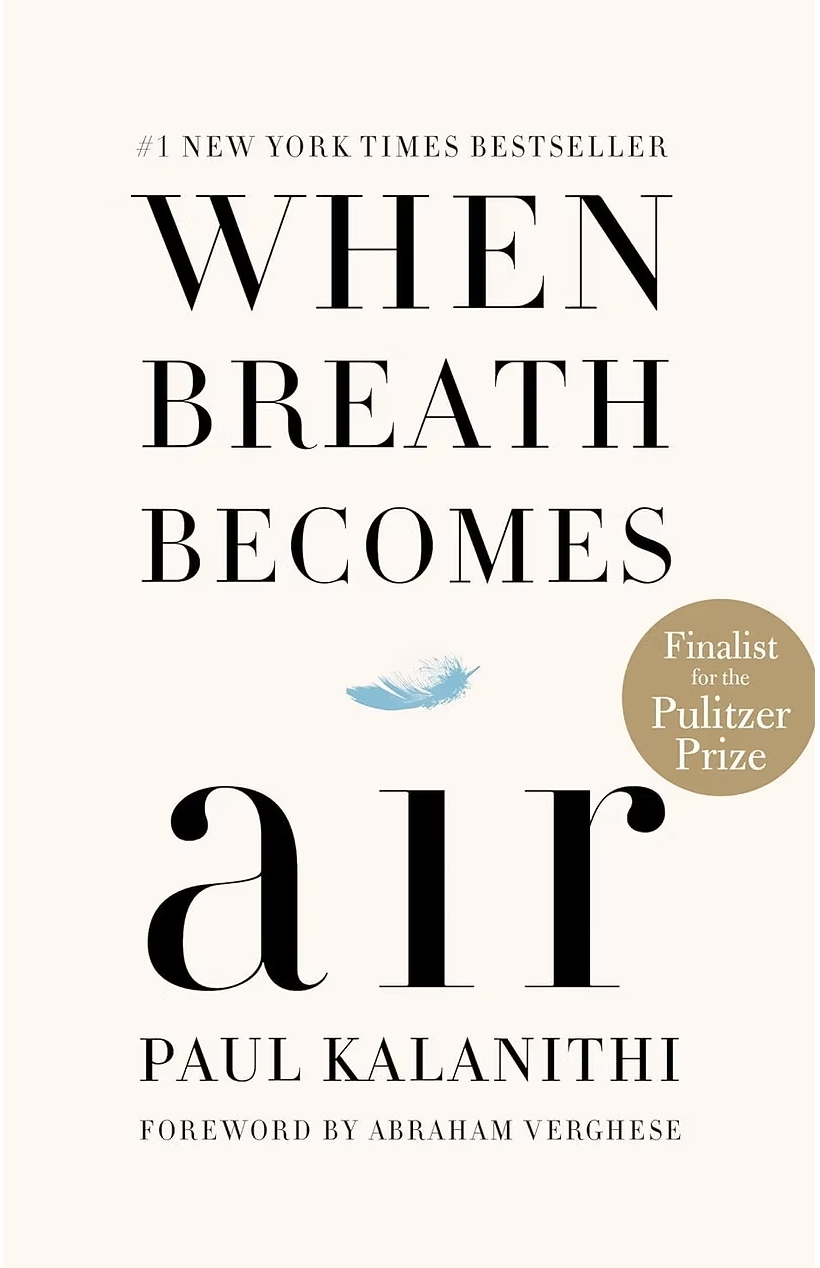

If you want to want to strengthen the emotional bond with your existing audience, you might be writing an Aligned Connection.
Find out exactly what your book is, needs, and how to get there in a Mini Session.
Signature Magnetism
You’ve spent years spent refining who you are and what you stand for, and this book captures that wisdom.
These books hold the most hard-won, practical insights from your life’s work.
They are containers for a fully owned message—something you’ve lived out so thoroughly that it sometimes feels obvious. But its power is in its simplicity.
Readers are drawn to the information you share, of course. But they’re also drawn to your certainty. It’s the way you embody this core belief that pulls them in and gives your message weight.
When you write a Signature Magnetism book, you’re modeling conviction. Your clarity becomes a beacon that naturally attracts readers and invites them into alignment with your perspective.
Readers leave energized, inspired, and equipped to carry that clarity forward into their own lives.
You’ll recognize an Indigo book by…
• A crystal-clear message that’s repeated and reinforced with total confidence
• Consistent anchoring back to a single defining idea or principle
• A sense that you’re being pulled forward by unwavering on-the-page clarity
• Stories, examples, or case studies that show the message in action
Often written by the kind of thought leader (or soon-to-be thought leader) whose name is tightly associated with a specific belief or concept.
Examples of Signature Magnetism Type Books


If you want to share the most hard-won, practical insights from your
life’s work, in a legacy of wisdom that others can carry forward,
you might be writing a Signature Magnetism.
Find out exactly what your book is, needs, and how to get there in a Mini Session.
Signature Perspective
You’re ready to share your lens with the world, whether or not the world is fully ready for it.
These books share a finely tuned philosophy about how something essential works, whether that insight comes from deep research, long observation, or lived experience.
The goal isn’t to persuade gently or to wait for validation. It’s to illuminate the path with precision and depth, and to trust that they’ll catch up when they're ready.
Writing a Signature Perspective crystallizes your distinct way of understanding the world.
When that worldview is fully expressed, the book becomes a touchstone that anchors conversations, shapes language, and cements your perspective in the right reader’s mind long after they finish reading.
Readers may not immediately embody the perspective you offer, but they will return to it again and again as it continues to influence how they think and see.
You’ll recognize a Purple book by…
• Precise language that reshapes how we define that topic
• Confident assertions that don’t hedge complexity
• A tone that feels rigorous, authoritative, and deeply grounded
• Frameworks or mental models that readers return to repeatedly
• A strong intellectual presence more than a personal storytelling focus
Often written by someone who has spent years refining their thinking through research, observation, or deep practice.
Examples of Signature Perspective Type Books




If you want to leave a defining contribution to a broader conversation,
you might be writing a Signature Perspective.
Find out exactly what your book is, needs, and how to get there in a Mini Session.
Signature Connection
You and your experience are worth witnessing, and this book reminds us how true that is for us all.
These books can forge an unshakable bond between you, your story, and the right reader’s inner world. But that's not why you're writing it.
They invite readers to witness, feel, and evolve alongside you, but they don’t require participation.
They simply bear witness to your experience, honoring the impact of being fully seen.
The power behind this book comes from how deeply you’ve integrated the experience, not the details of the experience itself.
Writing a Signature Connection book means telling your story from a place of sovereignty rather than raw catharsis. It is about laying yourself bare with clarity and self-possession, not seeking validation or resolution.
When readers experience that depth, they believe for a moment that they, too, can reach those places within themselves.
You’ll recognize a Magenta book by…
• Deeply personal storytelling that feels integrated rather than vented
• A narrative that invites witnesses without requiring agreement or action
• A tone that feels sovereign, grounded, and self-possessed
• Emotional honesty paired with deep self-awareness
• A focus on lived truth rather than teaching or guiding
Often written by someone who has done deep personal work and now holds their story with internal authority.
Examples of Signature Connection Type Books

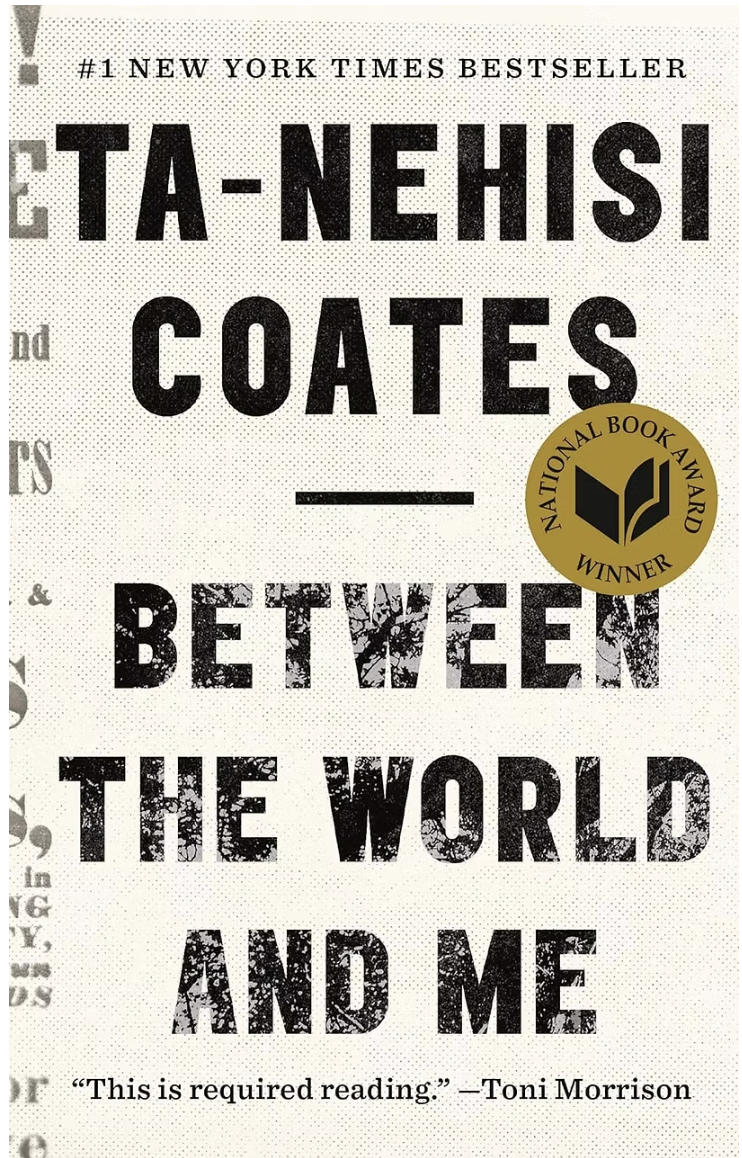

If you want to share the emotional truth of your life,
in a way that helps someone else feel less alone,
you might be writing a Signature Connection.
Find out exactly what your book is, needs, and how to get there in a Mini Session.
The Undefined Book
If you don't feel particularly "unlocked" by trying to wedge your ideas into a single genre or to reverse-engineer a book for "market fit," you're not alone. For books that are intended to create some kind of meaningful connection or change—instead of just being products on a shelf—that approach rarely works.
The Visibility Spectrum exists to interrupt that pattern. Instead of asking where your book might sell someday, it asks how it can speak to your people now. It's a way to name what kind of experience your book creates and how that creation can emerge from your unique strengths as a writer, expert, thinker, human.
And a huge step in that process is pausing to celebrate this moment: The part where you acknowledged that you don't know what you don't know. The part where you refused to perform to someone else's standards. The part where you care too much about your message and your reader to give them something generic.
That's what makes authors who are great, readers who are changed, and books that matter.
You're right where you need to be. Now let's see where you can go.
Book an “Undefined” Mini Session when…
Every time you try to describe your book, you start with “it’s kind of like…” then eventually apologize for rambling
You keep second-guessing yourself, thinking you should go deeper, be more useful, get more personal, or pull yourself out of it entirely
You’ve taken courses, read books, maybe even hired editors, but nothing has made the book on the page match the shape of the book that's in your head
Your larger work in the world matters more than anything, but you haven't pinpointed a specific role that the book plays within it
You're worried that if you don't get it right, you'll have to go through this process all over again, which has given overthinking and perfectionism a foothold
How the Visibility Spectrum Defines Undefinable Books
Start With:
The intention behind your book—the feeling that pulled you here in the first place and still won't let you go
Layer In:
The impact you want to create, the shift you hope your reader will feel, the change you know your book can hold
Build Towards:
The point where your larger purpose, your reader's experience, and the shared journey of your book all intersect